

The Complete Guide to Roof Storm Damage Repair: Protecting Your Home in 2026
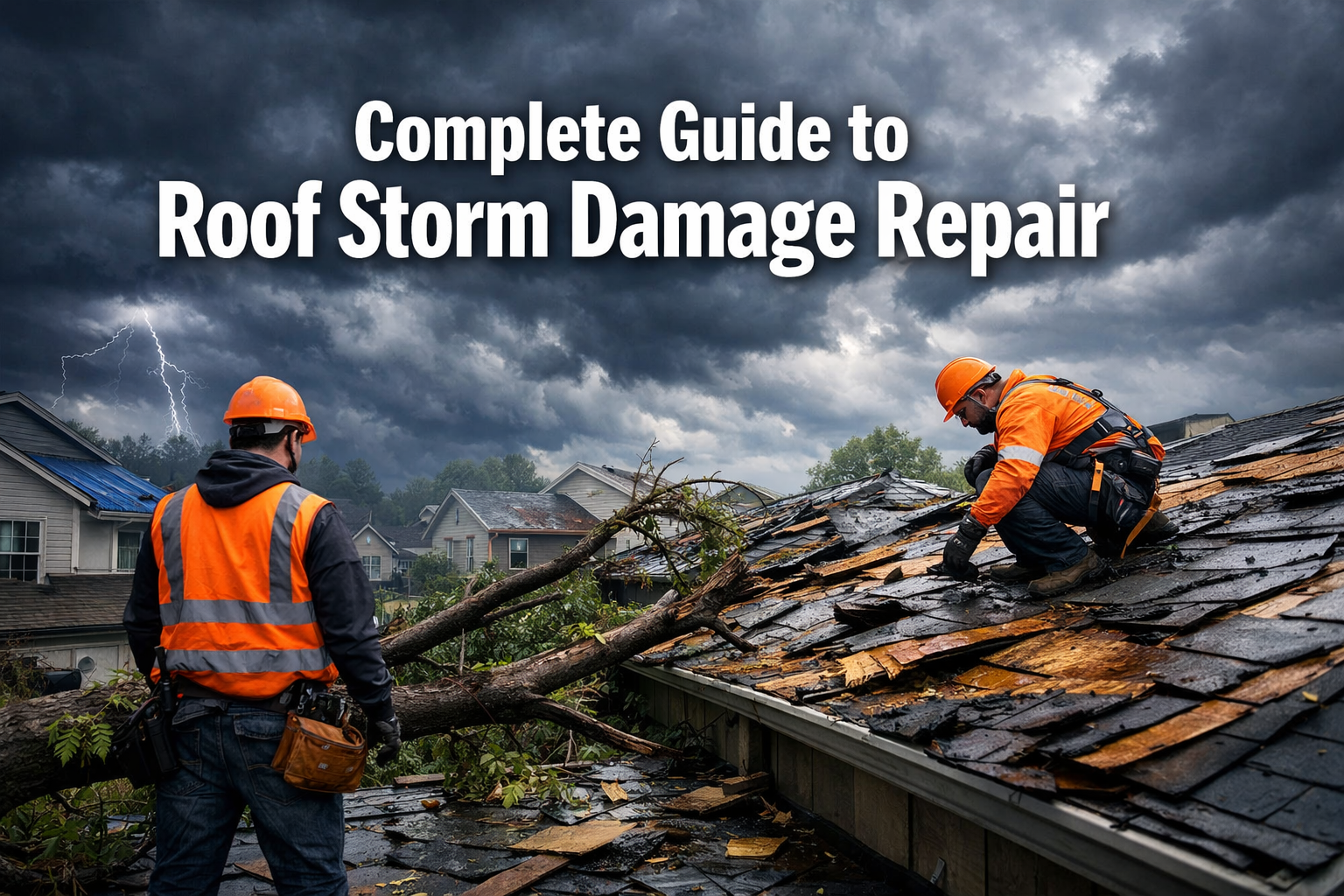
When the sirens fade and the storm clouds clear, homeowners across Texas face a sobering reality: their roof—the first line of defense against nature's fury—may have sustained significant damage. In 2026, with increasingly severe weather patterns becoming the norm, understanding roof storm damage repair isn't just helpful knowledge—it's essential for protecting your family's safety and your property's value. 🏠⛈️
The aftermath of a severe storm can leave even the most well-maintained roofs vulnerable to leaks, structural damage, and costly repairs. Whether you're dealing with hail damage, wind-torn shingles, or water infiltration, knowing how to navigate the roof storm damage repair process can save you thousands of dollars and prevent minor issues from becoming major disasters.
Key Takeaways
• Act quickly: Document damage immediately after storms and contact professional roofers within 24-48 hours to prevent further deterioration
• Safety first: Never attempt to inspect or repair storm damage yourself—professional assessment is crucial for both safety and insurance claims
• Insurance matters: Understand your coverage limits and work with experienced contractors who can help navigate the claims process
• Quality counts: Choose established roofing companies with proven track records in storm damage restoration and local expertise
• Prevention pays: Regular maintenance and storm preparation can significantly reduce the severity of future storm damage
Understanding the Scope of Storm Damage to Your Roof
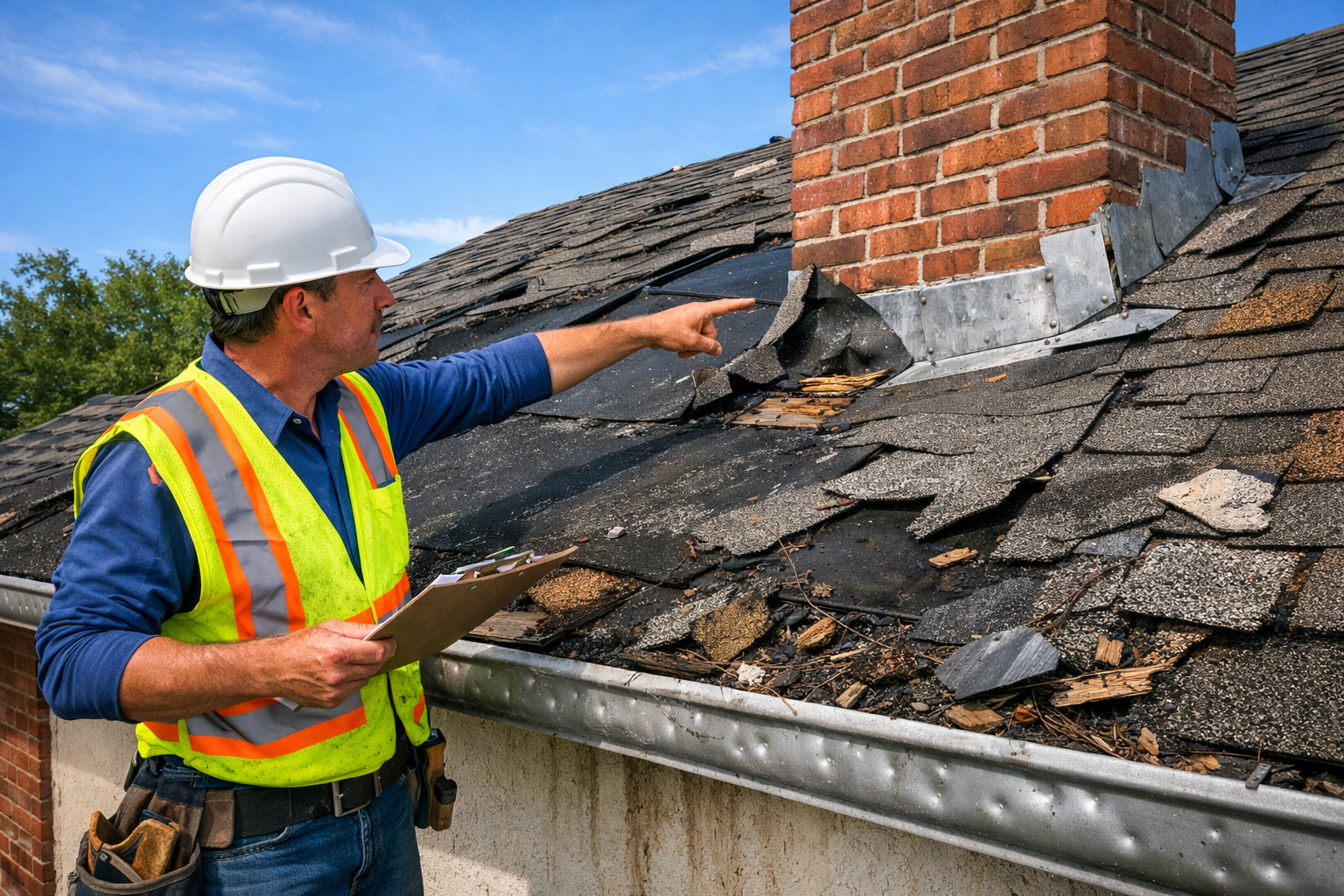
Storm damage to residential and commercial roofing systems comes in many forms, each requiring specific repair approaches and expertise. Understanding these different types of damage helps homeowners make informed decisions about roof storm damage repair and ensures they communicate effectively with contractors and insurance adjusters.
Types of Storm Damage
Hail Damage represents one of the most common yet misunderstood forms of roof damage. Hailstones can range from pea-sized pellets to golf ball-sized ice chunks that create significant impact damage. On asphalt shingles, hail damage appears as:
- Dark spots where granules have been knocked off
- Exposed mat or fiberglass backing
- Cracked or split shingle edges
- Dented or damaged gutters and downspouts
Wind Damage occurs when sustained winds exceed 45-50 mph or during sudden wind gusts. This type of damage includes:
- Lifted, curled, or completely missing shingles
- Damaged flashing around chimneys, vents, and roof edges
- Fallen tree branches or debris impact
- Compromised roof decking or structural elements
Water Damage often follows initial storm damage and can be the most costly to repair if not addressed quickly. Signs include:
- Interior ceiling stains or discoloration
- Peeling paint or wallpaper near roof lines
- Musty odors indicating mold growth
- Visible water pooling in attics or crawl spaces
Regional Considerations for Texas Homeowners
Texas weather presents unique challenges for roofing systems. The combination of intense summer heat, sudden temperature changes, and severe storm systems creates a perfect storm for roof damage. Harsh weather conditions can create dangerous situations that require immediate professional attention.
In cities like Waco, homeowners face additional challenges from:
- Hailstorms: Central Texas sits in "Hail Alley," experiencing some of the most severe hailstorms in the nation
- Tornadoes: The region's location makes it susceptible to tornado activity and severe wind damage
- Flash flooding: Sudden heavy rains can overwhelm gutters and drainage systems
- Temperature extremes: Rapid temperature changes cause roofing materials to expand and contract, leading to premature aging
The Hidden Costs of Delayed Repairs
Many homeowners underestimate the true cost of postponing roof storm damage repair. What begins as minor damage can quickly escalate into major structural issues:
| Initial Damage | 6-Month Delay Cost | 1-Year Delay Cost |
|---|---|---|
| Missing shingles ($500) | Water damage repairs ($2,500) | Structural repairs ($8,000+) |
| Small leak ($800) | Mold remediation ($3,500) | Full roof replacement ($15,000+) |
| Damaged flashing ($300) | Interior repairs ($2,000) | HVAC system damage ($5,000+) |
"The biggest mistake I see homeowners make is waiting to address storm damage. What could be a $1,000 repair in week one becomes a $10,000 problem by month six." – Licensed Roofing Contractor, Central Texas
Professional roof inspections following storm events can identify potential problems before they become costly disasters. These comprehensive assessments examine not only visible damage but also underlying structural integrity and potential weak points that could fail in future storms.
Professional Assessment and Emergency Roof Storm Damage Repair
The first 24-48 hours following a severe storm are critical for preventing minor roof damage from becoming major structural problems. Professional assessment and emergency repairs form the foundation of effective roof storm damage repair, protecting your home while you navigate the insurance claims process and plan for permanent restoration.
Immediate Safety Protocols
Never attempt to inspect roof damage yourself. Storm-damaged roofs are inherently unstable, and what appears to be minor damage from the ground may indicate serious structural compromise. Professional roofers have the training, equipment, and insurance necessary to safely assess storm damage.
Emergency safety measures include:
- Evacuating affected areas if you notice sagging ceilings, visible structural damage, or active leaks
- Documenting damage from ground level using photos and video
- Contacting emergency services if you suspect gas leaks, electrical damage, or structural collapse
- Avoiding temporary repairs that could interfere with insurance claims or cause additional damage
The Professional Assessment Process
Qualified roofing contractors follow systematic assessment protocols to identify all storm damage, not just the obvious problems visible from the ground. This comprehensive approach ensures accurate insurance claims and prevents overlooked damage from causing future problems.
Initial Exterior Inspection focuses on:
- Overall roof structure and alignment
- Shingle condition and granule loss
- Flashing integrity around penetrations
- Gutter and downspout damage
- Debris impact and puncture damage
Interior Assessment examines:
- Attic spaces for water infiltration
- Ceiling and wall stains or discoloration
- Insulation condition and moisture levels
- Structural beam integrity
- Electrical system safety
Documentation Standards for insurance purposes include:
- High-resolution photographs from multiple angles
- Detailed written reports with specific damage locations
- Measurements and scope of affected areas
- Cost estimates for repair and replacement
- Timeline recommendations for repair completion
Emergency Mitigation Services
Professional emergency services focus on preventing additional damage while permanent repairs are planned and scheduled. These temporary measures protect your home and its contents while maintaining the integrity of your insurance claim.
Temporary Weatherproofing includes:
- Tarping services using heavy-duty materials properly secured to prevent wind uplift
- Board-up services for large openings or structural damage
- Water extraction to prevent mold growth and additional damage
- Content protection to safeguard furniture and personal belongings
Emergency Leak Repairs address immediate water infiltration:
- Temporary patching of punctures or missing shingles
- Emergency flashing repairs around chimneys and vents
- Gutter realignment to prevent water backup
- Downspout repairs to ensure proper drainage
The key to effective emergency mitigation is working with contractors who understand insurance requirements and won't compromise your claim with improper temporary repairs. Key areas to check after a storm require professional expertise to assess properly.
Working with Insurance Adjusters
Professional roofing contractors experienced in storm damage restoration serve as valuable advocates during the insurance claims process. They understand what adjusters look for and can help ensure all damage is properly documented and covered.
Preparation for Adjuster Visits:
- Schedule the contractor to be present during the adjuster's inspection
- Provide comprehensive documentation packages
- Ensure all damage areas are accessible and clearly marked
- Prepare detailed repair estimates with material specifications
Common Insurance Challenges:
- Depreciation disputes over material age and condition
- Coverage limitations for specific types of damage
- Scope disagreements about what damage is storm-related
- Timeline pressures for completing repairs within policy requirements
Experienced contractors help homeowners navigate these challenges by providing detailed documentation, expert testimony, and professional repair estimates that insurance companies trust and accept.
For homeowners in the Waco area, working with established local contractors like Roof Top Innovations ensures you're getting expertise specific to regional weather patterns and local building codes. Their experience with waco roof replacement and storm damage restoration makes them invaluable partners in the recovery process.
Long-term Restoration and Strengthening Your Roof Against Future Storms
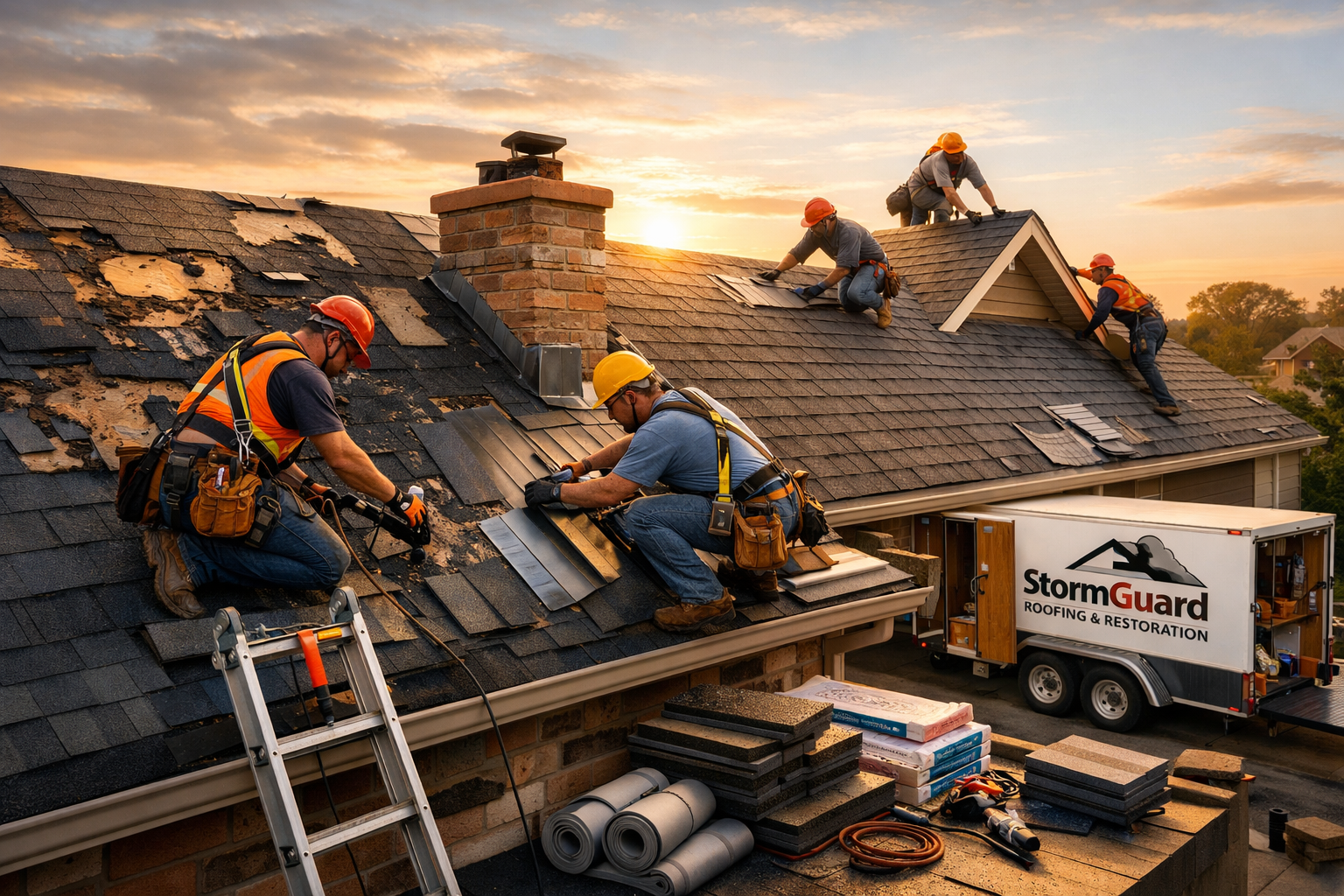
Once emergency repairs are complete and insurance claims are processed, the focus shifts to comprehensive restoration that not only repairs storm damage but strengthens your roof against future severe weather events. This phase of roof storm damage repair represents an opportunity to upgrade your home's protection while ensuring long-term durability and value.
Comprehensive Restoration Planning
Material Selection for Storm Resistance plays a crucial role in long-term roof performance. Modern roofing materials offer significantly improved wind and hail resistance compared to standard options:
Impact-Resistant Shingles (Class 4 rated):
- Polymer-modified asphalt construction
- Enhanced granule adhesion technology
- Wind resistance up to 130 mph
- Insurance discounts of 10-30% in many areas
Metal Roofing Systems:
- Superior hail resistance and longevity
- Wind ratings exceeding 140 mph
- Energy efficiency benefits in Texas heat
- 30-50 year warranty coverage
Enhanced Underlayment Systems:
- Synthetic materials with superior tear resistance
- Self-sealing properties around nail penetrations
- Improved moisture barriers
- Extended temperature tolerance
Structural Improvements During Restoration
Storm damage restoration provides an ideal opportunity to address underlying structural weaknesses that may have contributed to damage severity. Professional contractors can identify and correct these issues during the repair process.
Roof Decking Upgrades:
- Thicker OSB or plywood sheathing for improved wind resistance
- Enhanced fastening schedules with ring-shank nails
- Proper spacing and support for heavy roofing materials
- Moisture-resistant treatments for longevity
Ventilation System Optimization:
- Balanced intake and exhaust ventilation
- Ridge vents with external baffles for weather protection
- Soffit vents with proper screening
- Attic fans for enhanced air circulation
Flashing and Penetration Improvements:
- Step flashing upgrades around chimneys and dormers
- Ice and water shield installation in vulnerable areas
- Pipe boot replacements with storm-resistant designs
- Vent cap upgrades for wind resistance
Advanced Storm Protection Features
Modern roofing technology offers numerous options for enhanced storm protection that go beyond basic repair and replacement. These upgrades can significantly reduce future storm damage and lower long-term maintenance costs.
Hurricane Strapping and Reinforcement:
- Metal connectors linking roof structure to walls
- Enhanced truss-to-wall connections
- Gable end reinforcement for wind resistance
- Continuous load path engineering
Smart Roofing Technologies:
- Leak detection sensors with smartphone alerts
- Weather monitoring systems for early warnings
- Automated gutter heating for ice dam prevention
- Solar integration for energy independence during outages
The Investment Value of Quality Restoration
While comprehensive storm damage restoration requires significant investment, the long-term benefits far exceed the initial costs. Quality restoration work provides:
Insurance Benefits:
- Lower premiums for impact-resistant materials
- Reduced deductibles for storm-resistant features
- Improved claim outcomes for future events
- Enhanced coverage options for upgraded systems
Property Value Enhancement:
- Increased resale value from premium materials
- Energy efficiency improvements
- Extended warranty coverage transferability
- Enhanced curb appeal and marketability
Long-term Cost Savings:
- Reduced maintenance requirements
- Extended roof lifespan (20-30+ years)
- Lower energy costs from improved efficiency
- Decreased risk of future storm damage
Choosing the Right Restoration Partner
The success of your roof storm damage repair project depends heavily on selecting the right contractor. In Texas, where storm damage is a recurring concern, this choice can impact your home's protection for decades to come.
Essential Contractor Qualifications:
- Local licensing and insurance requirements
- Manufacturer certifications for premium materials
- Storm damage specialization with documented experience
- Insurance company relationships for smooth claims processing
Red Flags to Avoid:
- Door-to-door solicitation immediately after storms
- Requests for full payment upfront
- Lack of local references or physical business address
- Pressure tactics or limited-time offers
For homeowners seeking reliable roof repair storm damage Houston and throughout Central Texas, established companies with proven track records provide the expertise and reliability necessary for successful restoration projects. These professionals understand local building codes, weather patterns, and insurance requirements specific to the region.
Quality Assurance Standards:
- Written warranties on materials and workmanship
- Regular progress inspections and documentation
- Compliance with manufacturer installation requirements
- Final inspections with detailed completion reports
The restoration phase also presents an opportunity to address related systems that may have sustained damage. Gutter systems often require attention following roof damage, and coordinating these repairs ensures optimal water management and protection.
Maintenance Planning for Long-term Success
Successful roof storm damage repair extends beyond the restoration project itself. Implementing a comprehensive maintenance plan ensures your investment continues to provide optimal protection and performance.
Seasonal Inspection Schedules:
- Spring assessments following winter weather
- Pre-storm season preparation and reinforcement
- Post-storm damage evaluation and documentation
- Fall preparation for winter weather protection
Professional Maintenance Services:
- Annual professional inspections
- Preventive repairs and adjustments
- Gutter cleaning and maintenance
- Ventilation system optimization
By taking a comprehensive approach to roof storm damage repair that includes both immediate restoration and long-term protection planning, homeowners can significantly reduce their vulnerability to future storm events while maximizing their investment in their home's protection systems.
Conclusion
Navigating roof storm damage repair in 2026 requires a comprehensive understanding of both immediate response protocols and long-term restoration strategies. From the critical first hours after a storm through the complete restoration process, every decision impacts your home's protection, your family's safety, and your financial well-being.
The key to successful storm damage recovery lies in quick action, professional expertise, and quality restoration work that exceeds minimum repair standards. By working with experienced contractors who understand regional weather patterns, insurance requirements, and advanced roofing technologies, homeowners can transform storm damage from a devastating setback into an opportunity for improved protection and enhanced property value.
Your Next Steps:
- Document any existing damage with photos and detailed notes before the next storm season
- Research and identify qualified contractors in your area before you need emergency services
- Review your insurance coverage to understand your protection and potential gaps
- Consider preventive upgrades to strengthen your roof against future storms
- Establish a maintenance schedule to protect your investment and ensure optimal performance
For homeowners in Waco and throughout Central Texas, partnering with established professionals like Roof Top Innovations provides the expertise, reliability, and local knowledge necessary for successful storm damage restoration. Their commitment to quality, competitive pricing, and dependable service makes them leaders in the roofing industry.
Remember, your roof is your home's first line of defense against severe weather. Investing in quality storm damage repair and restoration isn't just about fixing current problems—it's about protecting your family and your most valuable asset for years to come. Don't wait for the next storm to test your roof's integrity. Take action today to ensure your home is prepared for whatever weather 2026 may bring.
SEO Meta Information:
Meta Title: Complete Guide to Roof Storm Damage Repair in 2026
Meta Description: Expert guide to roof storm damage repair covering assessment, emergency repairs, insurance claims, and restoration. Protect your home with professional storm damage solutions.